
London does not become cheaper because you buy a pass; it becomes cheaper only when the attractions you genuinely want form a route you can actually complete. That distinction is the heart of the London attraction pass vs individual tickets decision. A pass can be excellent for a concentrated Tower–Thames day, yet poor value on a museum-led itinerary where many headline collections are free.
London attraction pass or individual tickets: the quick verdict
Buy a sightseeing pass when at least three paid attractions on the same geographic route are included, their combined direct prices clearly exceed the pass price, and you are comfortable keeping a structured day. Buy individual tickets when your plan mixes free museums, parks and neighbourhood walks with one or two timed attractions. The second option often costs less and feels more like London.
| Your trip style | Usually the better fit | Why |
|---|---|---|
| Tower of London, Thames experience and another paid landmark in one day | Check a pass | High-value paid sights can be grouped without crossing the city |
| British Museum, National Gallery, markets and one viewpoint | Individual tickets | Much of the day is free; a pass may dictate an unnatural pace |
| First visit with children | Calculate both | Family energy and age-based prices matter more than the headline saving |
| Flexible weekend with uncertain weather | Individual tickets | Fewer sunk costs and easier changes |
What a London sightseeing pass changes — and what it does not
Admission is only one part of a London day. A pass may bundle entry, tours or transport products, but it does not automatically remove security queues, guarantee a preferred time slot or make distant attractions neighbours. Reservation rules can also differ by attraction. Read the current inclusion and reservation pages before paying, then compare them with the attraction’s own official ticket.
All-inclusive passes reward density
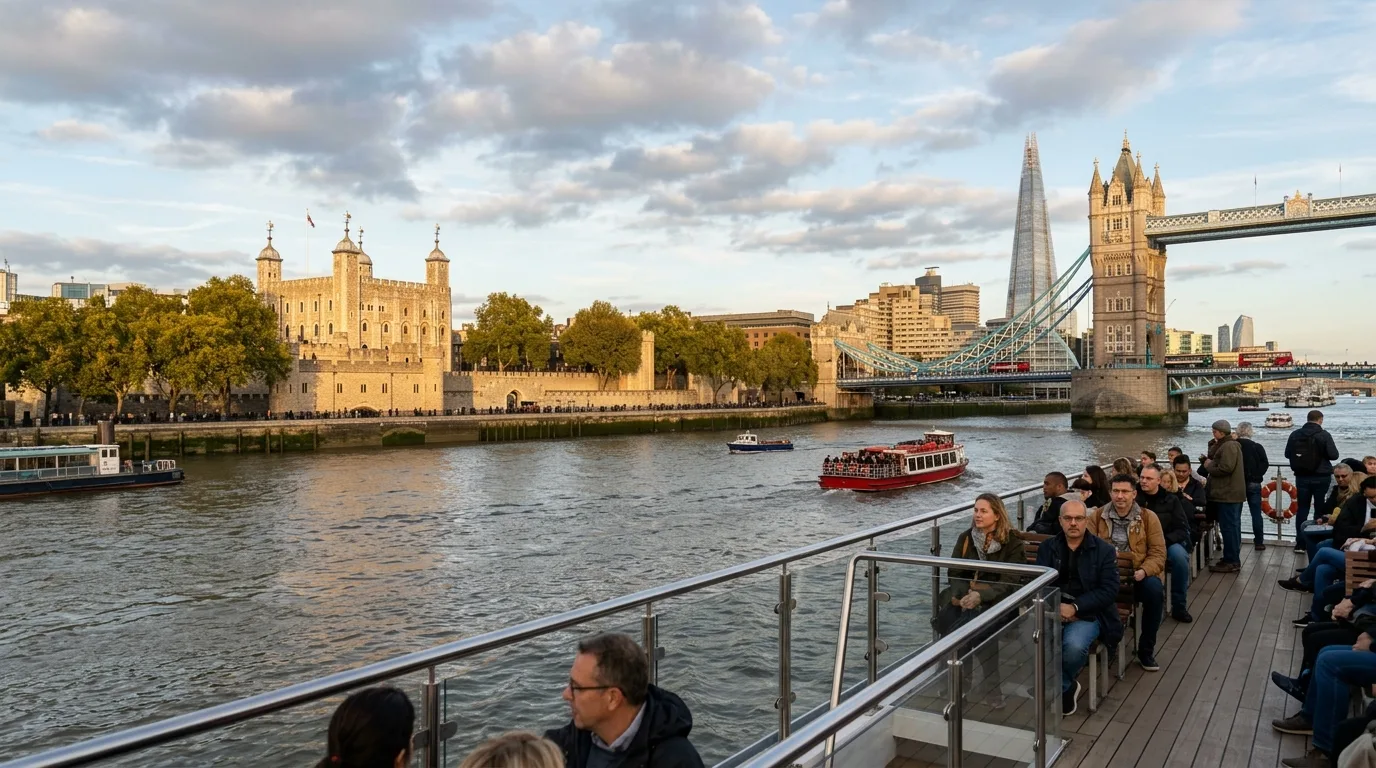
An all-inclusive product works best when you are willing to start early and build a compact route. The City and riverside corridor is the clearest example: historic sights around Tower Hill, Tower Bridge and the Thames can create a coherent day. The pass is purchasing intensity as much as admission.
Explorer-style passes reward certainty
A fixed-choice product can suit a traveller who knows the exact two, three or five paid experiences they want. It removes pressure to fill every hour, but the arithmetic still matters. Compare the pass with the lowest valid direct-ticket combination, not with the highest walk-up price displayed in promotional material.
Individual tickets protect the texture of the city
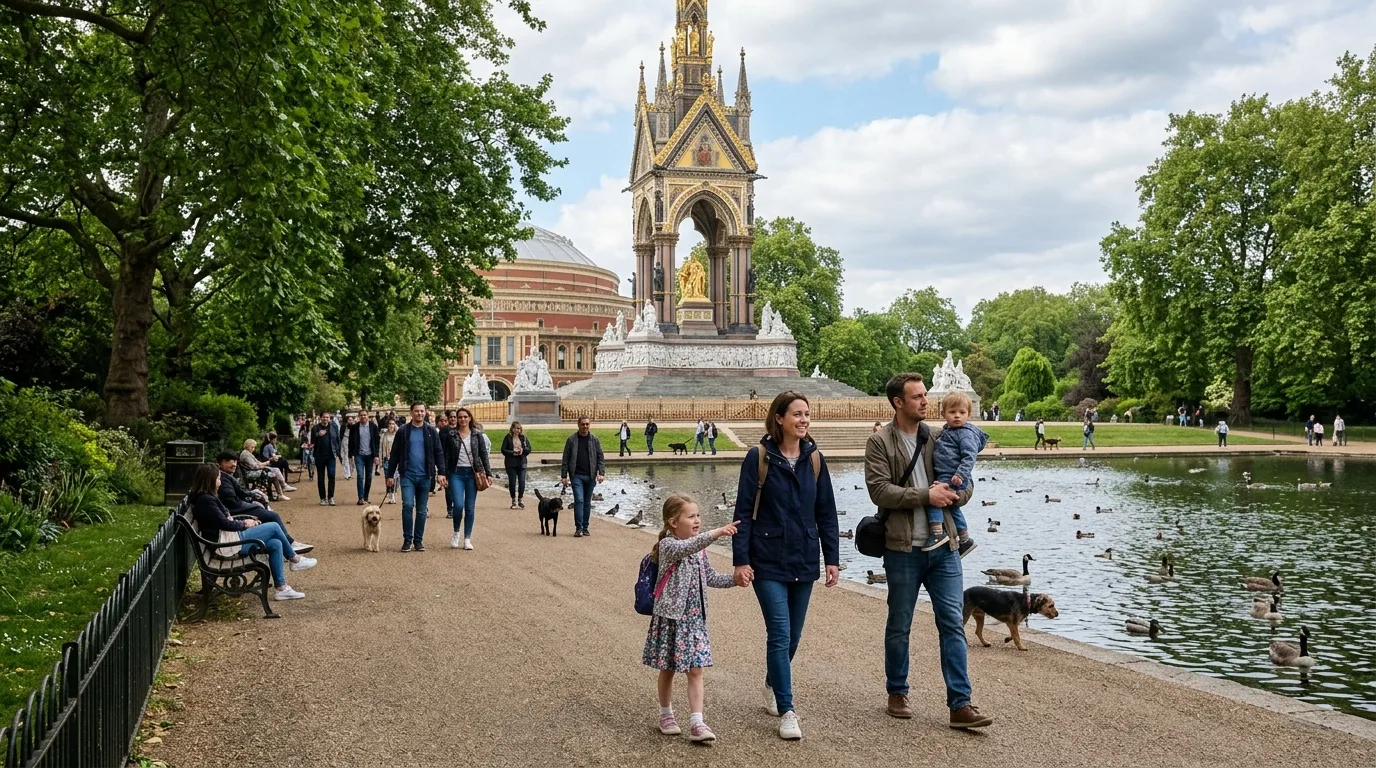
London’s free museums, markets, royal parks, river walks and neighbourhoods can fill entire days. Separate tickets let you reserve the one experience that needs a clock, then leave room for discoveries: a church courtyard in the City, a bookshop in Bloomsbury or an unplanned hour beside the Thames.
Three realistic days, three different answers
Heritage-heavy first day
Start around Tower Hill, continue across or beside Tower Bridge and keep the afternoon on the river corridor. If your chosen pass includes the paid places you would visit anyway, this is the kind of dense route where it can win. Do not add a remote attraction merely to improve the spreadsheet.
Museums and West End day
Begin with a free national collection, walk through Covent Garden and reserve a single evening experience. Individual booking is usually cleaner here. You keep the middle of the day open and avoid turning free cultural time into a race between paid entrances.
A family day with one non-negotiable attraction
Secure the attraction your children care about most, then build a short-radius plan around it. Add a second paid stop only if everyone still has energy. A theoretical saving disappears quickly when a tired family abandons the final inclusion.
The five-minute calculation before you buy
- Write down only the paid attractions you would choose without a pass.
- Check official prices for your exact date and traveller ages.
- Mark attractions that require a separate reservation even when included.
- Place the attractions on a map and reject combinations that create repeated cross-city journeys.
- Add a realistic meal break and at least one unplanned hour.
- Compare the pass total with direct tickets, including booking fees and cancellation terms.
For transport, consult Transport for London; a sightseeing pass and ordinary city transport are separate decisions. For a wider route, use our four-day London itinerary. If hotel location is still undecided, compare the best London areas for first-time visitors before committing to timed tickets.
Where to stay when sightseeing time matters
A cheaper room can become expensive in lost mornings. Westminster and the South Bank favour classic first-visit landmarks; Bloomsbury works beautifully for museum days; Covent Garden places evening theatre and dining close at hand; the City can be strategic for Tower and riverside plans but quieter on some evenings. Search the exact hotel entrance, not only the district name, and check the late-night route back.
Frequently asked questions
Does a London attraction pass let me skip every queue?
No. Benefits and reservation rules vary, and security checks still apply. Confirm the current instructions for every attraction you intend to use.
Is a pass worthwhile for two days?
It can be, especially with two geographically dense paid-attraction days. It is not automatically better than separate tickets; calculate your real list first.
Should I buy before choosing my hotel?
Choose the broad sightseeing pattern and accommodation area together. A well-placed hotel makes an intensive pass day more achievable and gives a flexible itinerary more freedom.
LIVE HOTEL AVAILABILITY
Make London work before the first ticket is scanned
Compare live London hotel availability and choose a base that supports the route you actually want.
Live prices, room conditions and secure checkout are provided through TheStayGlobe’s Nuitee-powered booking service.