
Looking for the best places to visit in London? This first-time visitor guide brings together London’s essential royal landmarks, historic towers, world-class museums, food markets and skyline views. The route is designed so you can combine nearby sights, spend less time crossing the city and reserve popular London attractions before the best time slots disappear.
Use the London Guides collection to turn the best places to visit in London into a practical stay and transport plan.
London at a glance
- Best for first-time visitors: Westminster, the Tower of London and the South Bank
- Best free cultural stop: the British Museum
- Best food stop: Borough Market
- Best sunset: the London Eye or Greenwich hill
- Getting around: use the Tube, buses and walking; pay-as-you-go contactless or Oyster is usually the simplest option
Planning your stay in London? Check live hotel availability, room types and cancellation terms for your dates.
10 best places to visit in London
- Westminster, Big Ben and Parliament Square
- Buckingham Palace and St James’s Park
- Tower of London
- Tower Bridge
- British Museum
- Covent Garden
- Borough Market
- London Eye and the South Bank
- St Paul’s Cathedral and Millennium Bridge
- Greenwich
1. Westminster, Big Ben and Parliament Square
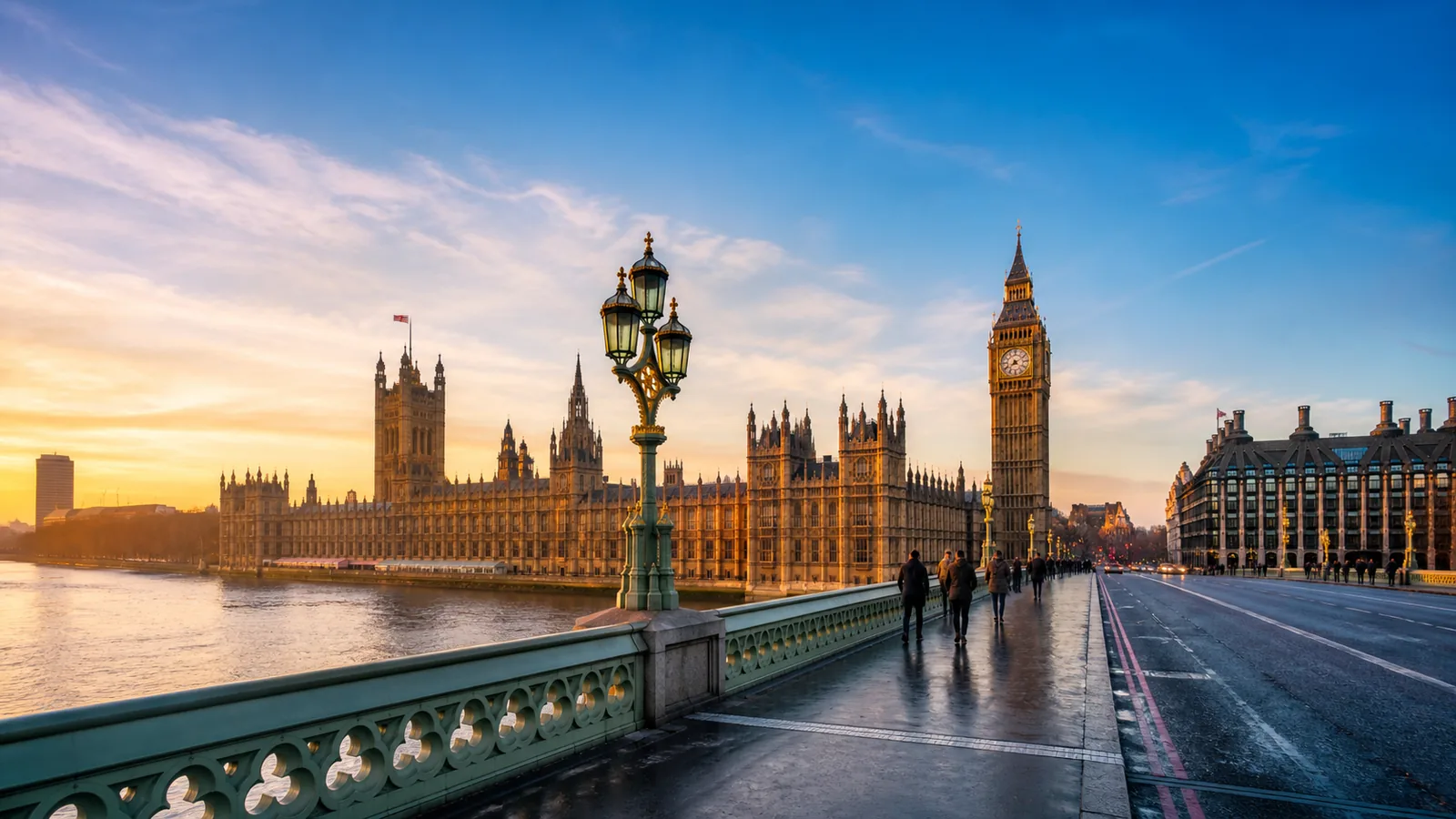
Westminster is where many first-time London sightseeing routes should begin. Within a compact area you can see Elizabeth Tower—universally known as Big Ben—the Houses of Parliament, Westminster Abbey and the ceremonial heart of British public life. Cross Westminster Bridge for one of the best photographs of the riverside skyline, then walk toward St James’s Park or continue along the South Bank.
TheStayGlobe tip: arrive early for clearer views and allow additional time if you plan to enter Westminster Abbey or tour the UK Parliament. Entry policies and schedules change, so check the official attraction website before travelling.
2. Buckingham Palace and St James’s Park
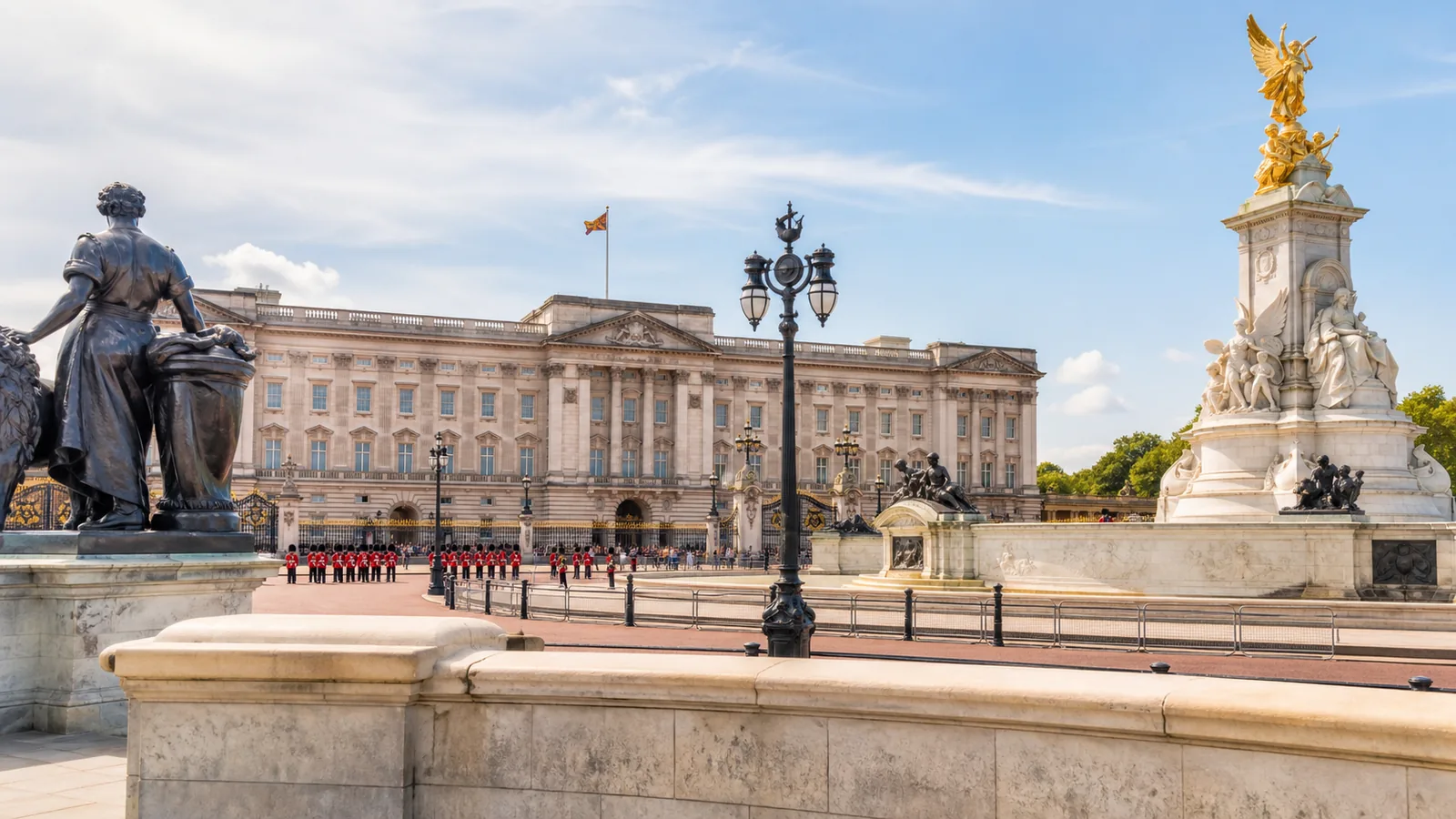
Buckingham Palace is one of the most famous London landmarks and an easy continuation from Westminster. The State Rooms have seasonal opening arrangements, while the Changing of the Guard follows an operational schedule rather than running at the same time every day. Pair the palace forecourt with a walk through St James’s Park and on to The Mall for a balanced royal-London experience.
Best for: royal history, ceremonial London and elegant city walks. Check official schedules before organising your day around a ceremony.
3. Tower of London
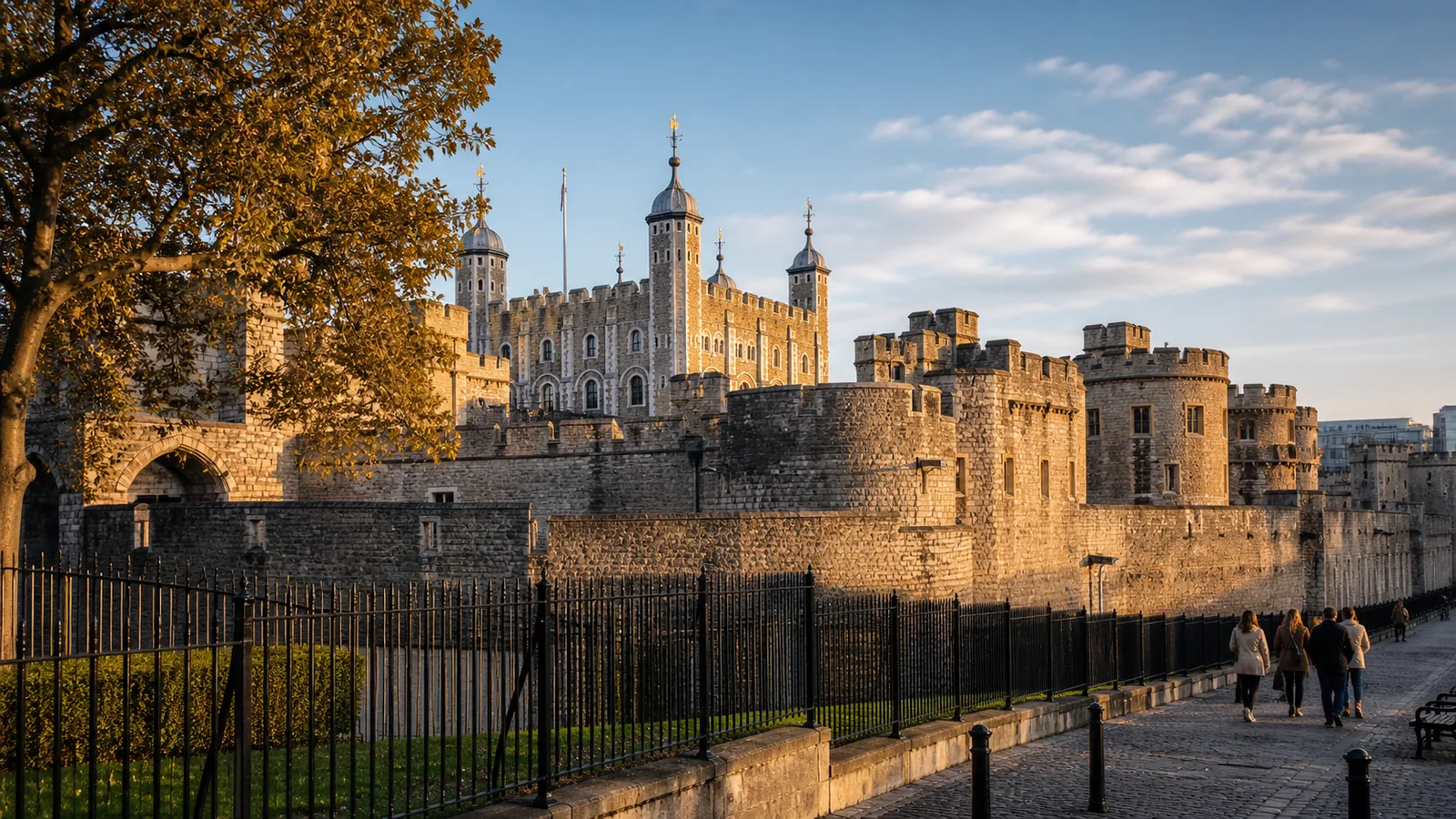
The Tower of London is one of the city’s most rewarding paid attractions. Its story spans fortress, palace, prison and treasury, and a standard visit can include the Crown Jewels, the White Tower and open sections of the battlements. It deserves more time than a quick photo stop, particularly if royal history is one of your reasons for visiting London.
Planning tip: reserve a timed ticket for a busy travel period and visit earlier in the day. The Tower sits beside Tower Bridge, making the two attractions an efficient half-day combination.
4. Tower Bridge
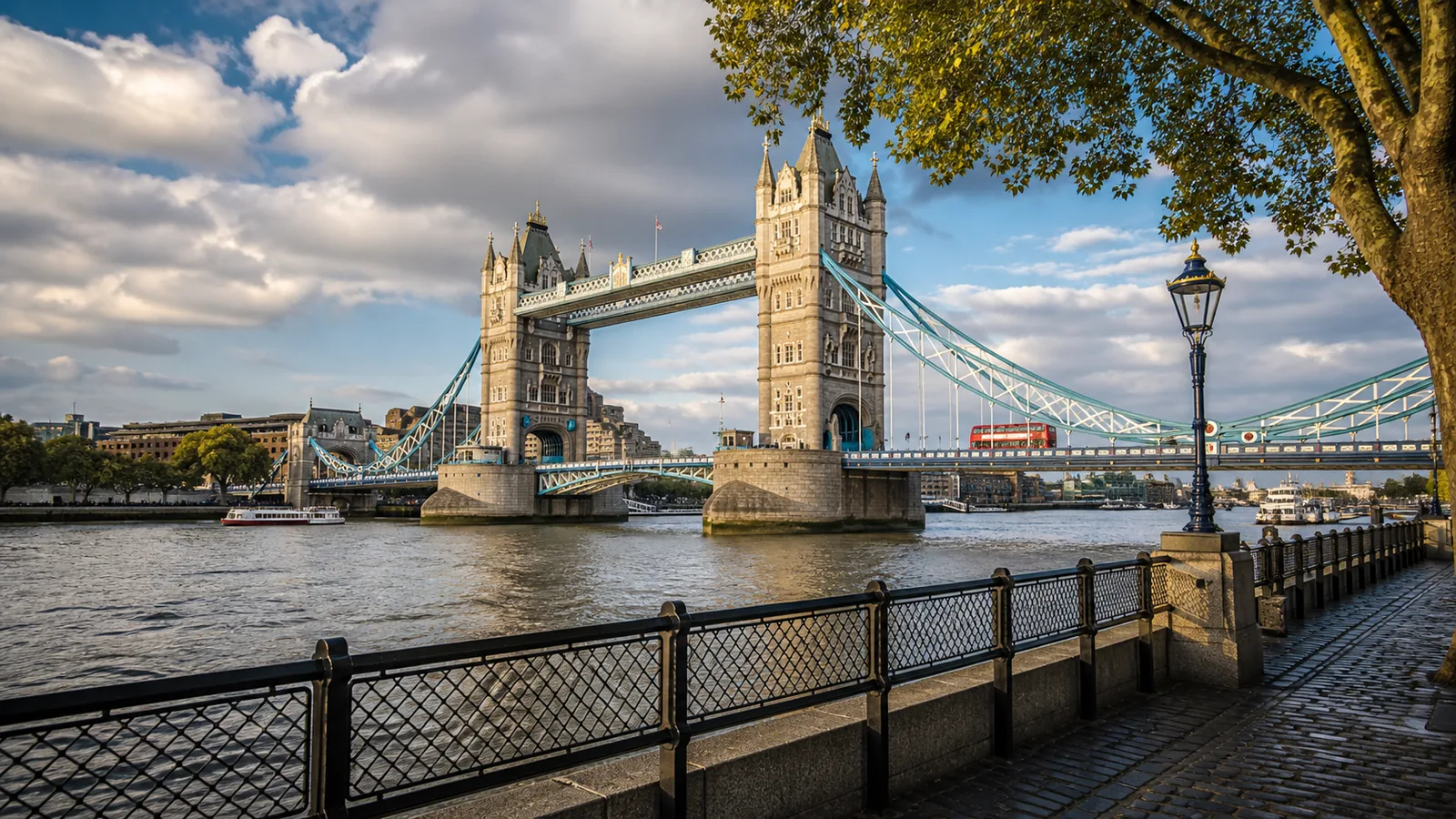
Tower Bridge is both a working Thames crossing and one of the most recognisable London attractions. Walking across the bridge is free; the paid exhibition adds elevated walkways and access to its engineering story. For strong viewpoints, approach from the Tower of London, the south-bank river path or the area around City Hall.
Best combination: Tower of London → Tower Bridge → riverside walk toward Borough Market.
5. British Museum
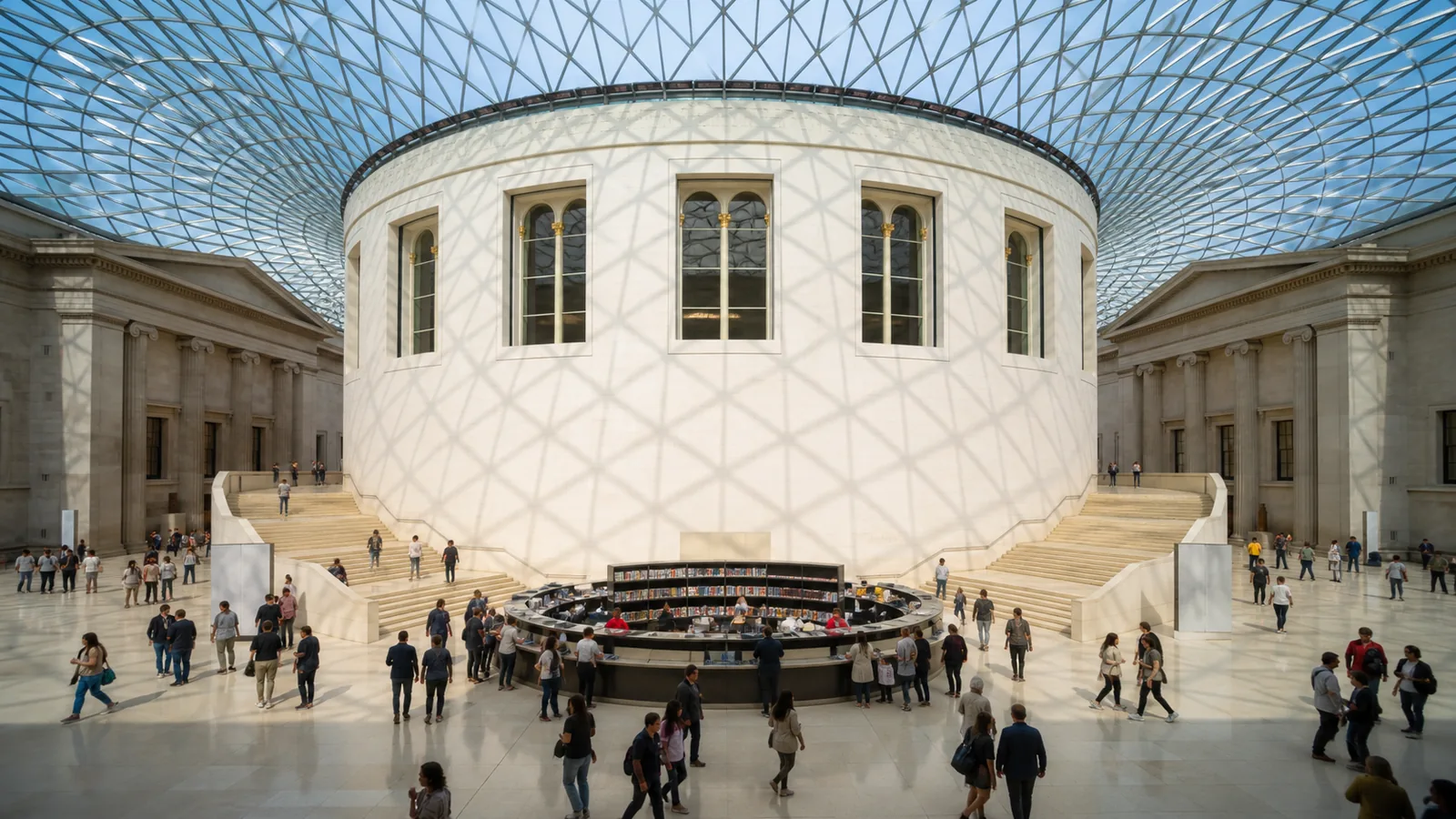
The British Museum covers two million years of human history and is a natural anchor for a Bloomsbury day. General admission to the permanent collection is free, although the museum recommends advance booking for priority entry during busy periods. Rather than trying to see every gallery, select two or three areas that genuinely interest you and leave time for the Great Court.
Good to know: special exhibitions may require separate paid tickets, and galleries can close at short notice. Consult the museum’s official visit page on the day of your trip.
6. Covent Garden
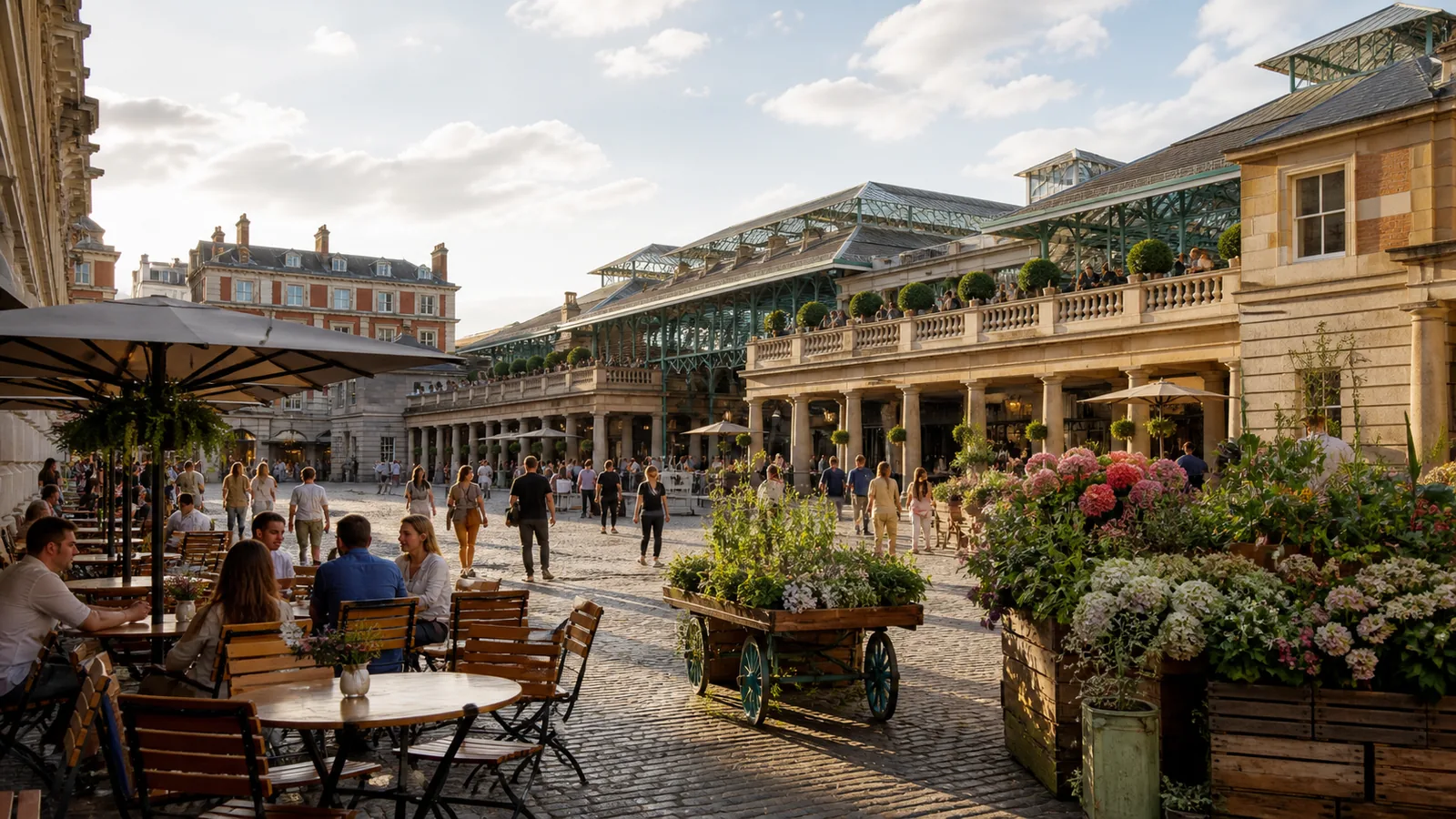
Covent Garden is one of the easiest areas to enjoy without a strict schedule. Explore the Piazza and market halls, watch authorised street performers and continue toward Seven Dials, Soho or a West End theatre. It works particularly well in the late afternoon, when shops, restaurants and performances create a livelier atmosphere.
Best for: first-time visitors who want shopping, dining and entertainment in a walkable central neighbourhood.
7. Borough Market
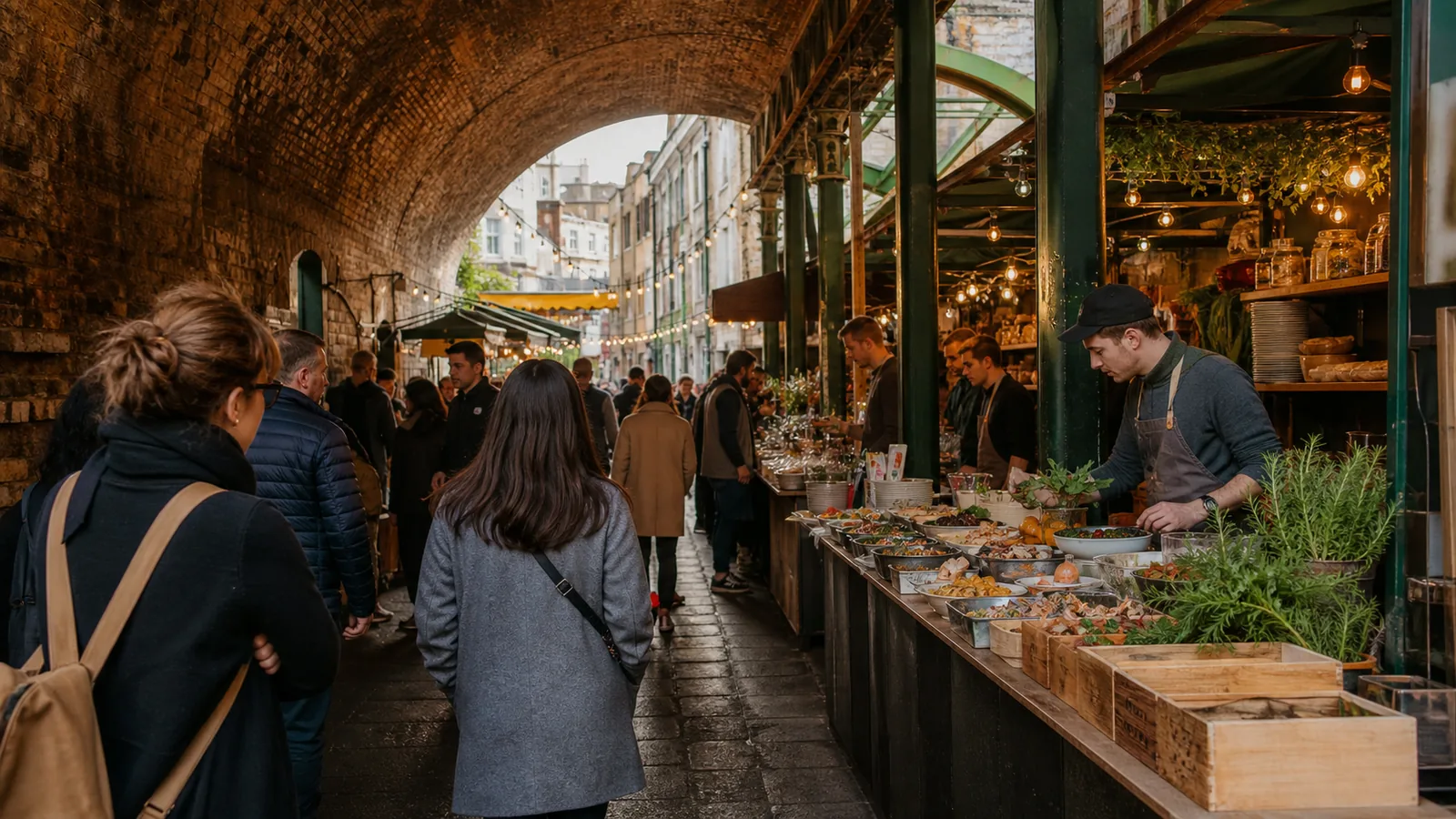
Borough Market is one of the best-known food destinations in London, bringing together produce traders, specialist shops and prepared-food stalls beneath the railway arches near London Bridge. Visit outside the busiest lunch window if you want more room to browse, then walk to Southwark Cathedral, Shakespeare’s Globe or Tate Modern.
TheStayGlobe tip: check the market’s official trading calendar before making it the centre of your itinerary, as activity varies by day and season.
8. London Eye and the South Bank
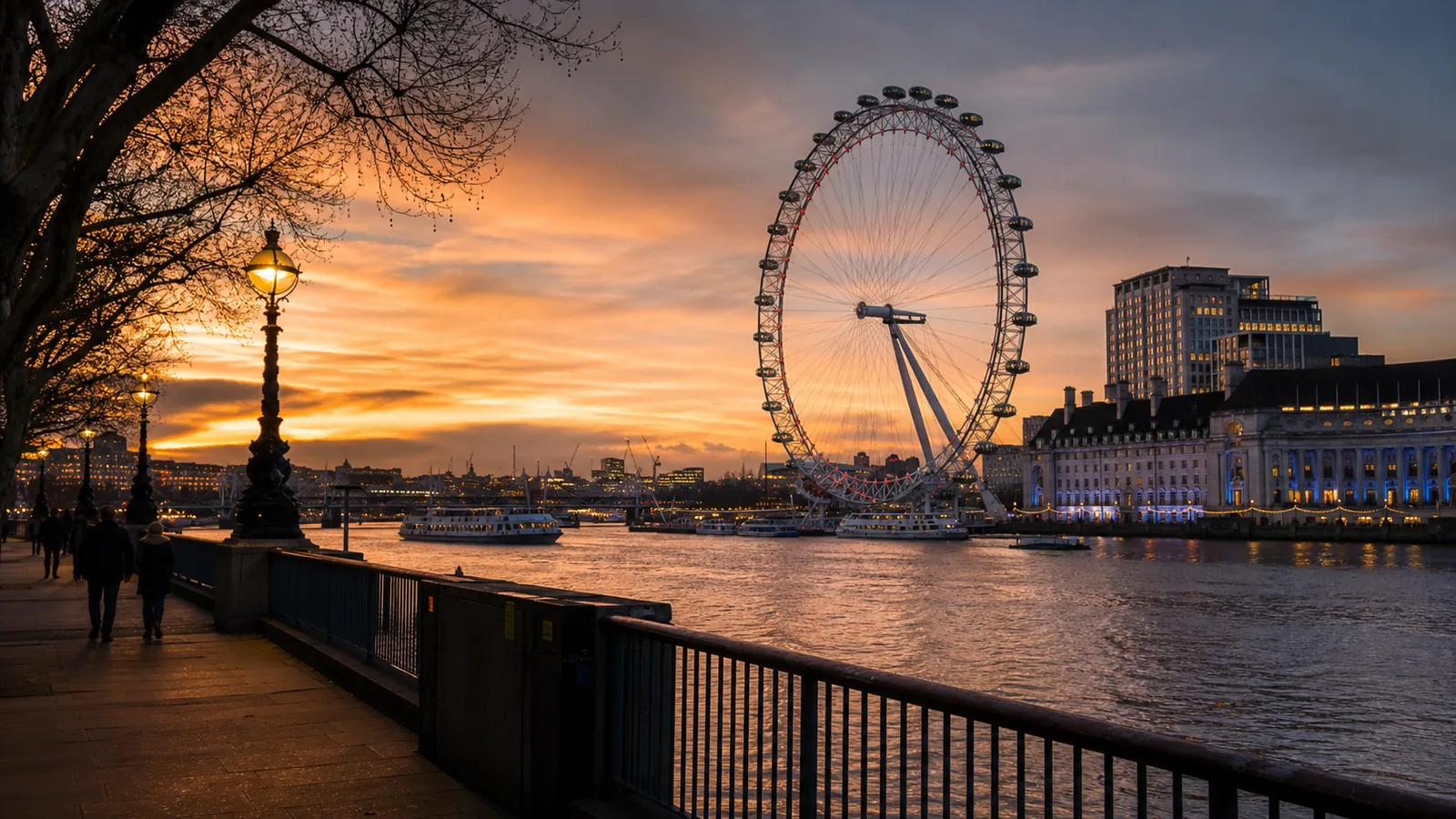
The London Eye offers a broad skyline view across Westminster, the Thames and central London. Even if you do not ride it, the South Bank is a compelling walking route with river views, performance spaces and easy access to Waterloo. A timed reservation reduces uncertainty during weekends and peak travel periods.
Best timing: late afternoon into sunset, followed by an evening walk along the illuminated river.
9. St Paul’s Cathedral and Millennium Bridge
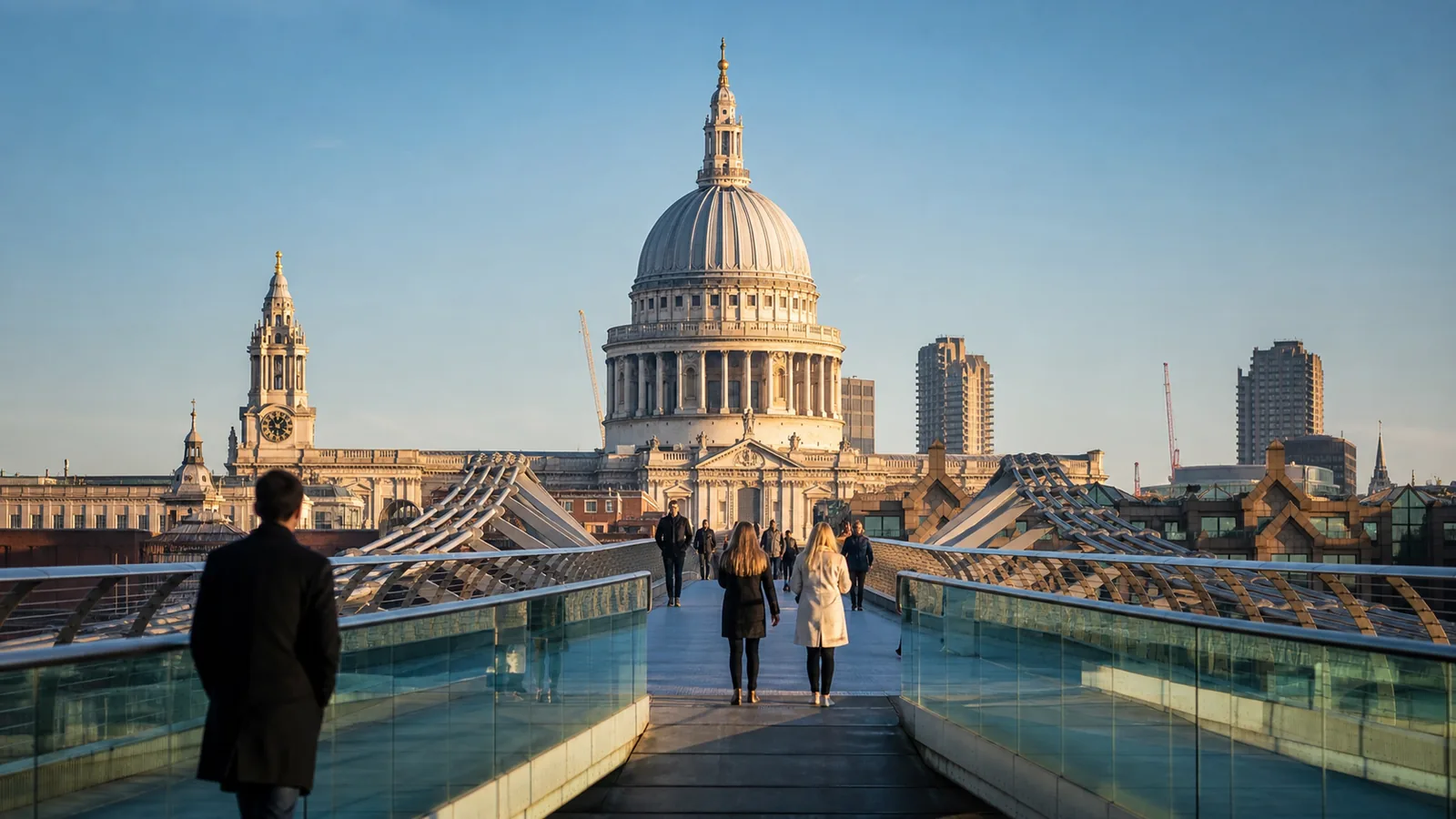
St Paul’s Cathedral is a defining part of the City of London skyline. Begin on the south side of Millennium Bridge, walk north toward the dome and decide whether to add a cathedral visit. The route links naturally with Tate Modern and the Shakespeare’s Globe area, making it ideal for travellers who want architecture, history and riverside scenery in one compact plan.
Photography tip: morning light and a less crowded bridge usually produce a cleaner view toward the dome.
10. Greenwich
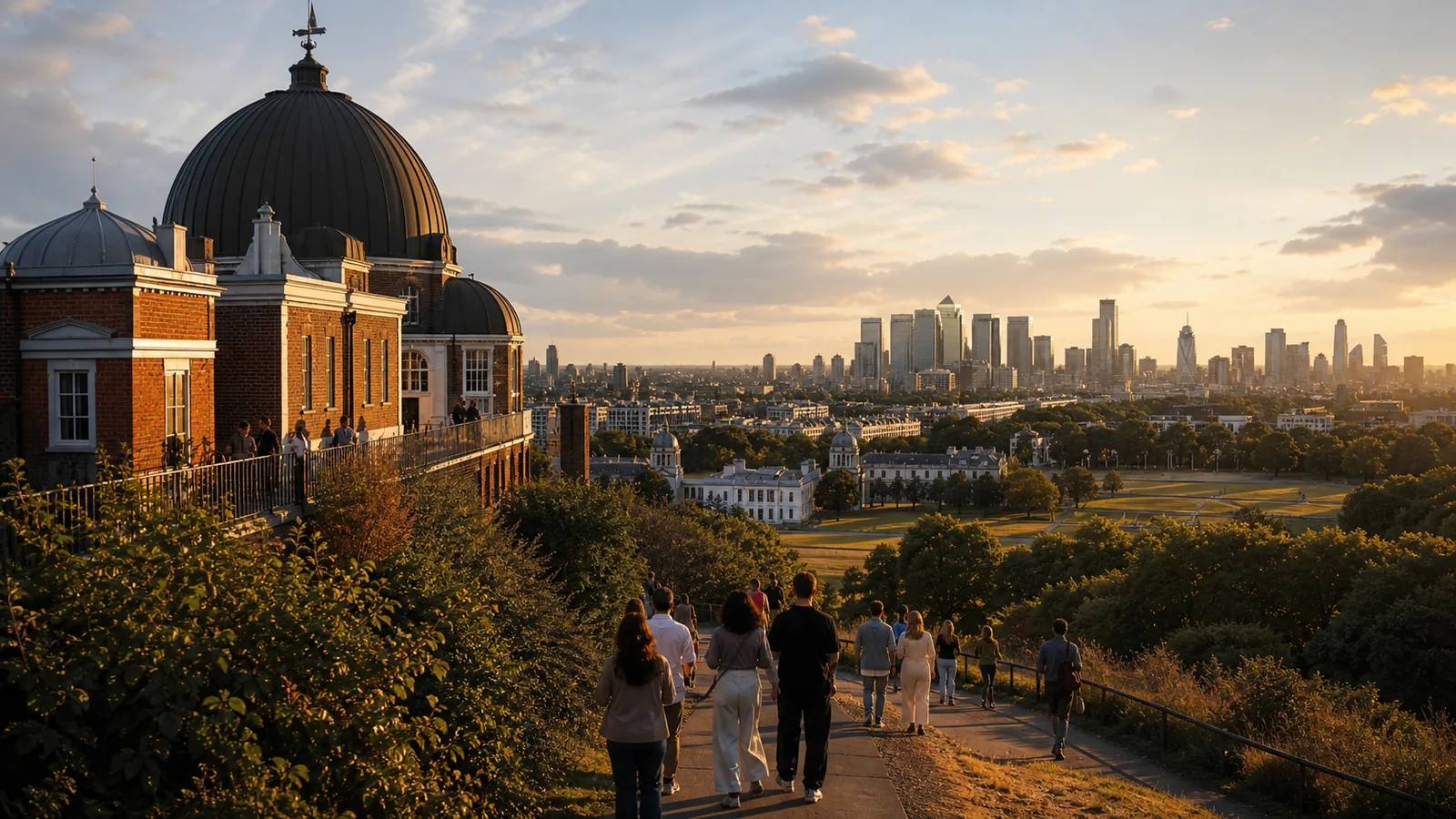
Greenwich feels distinct from central London yet remains straightforward to reach. Its major attractions include the Royal Observatory, Cutty Sark, the National Maritime Museum, Greenwich Park and the historic town centre. Arriving by river boat turns the transfer into part of the experience; returning by DLR offers a contrasting view of modern east London.
Allow: at least half a day if you want a museum or observatory visit in addition to the park and market area.
How to organise these London attractions
One-day highlights route
Start at Westminster, walk through St James’s Park to Buckingham Palace, return toward the Thames and finish with the South Bank and London Eye. This is the most efficient introduction if you have limited time.
Two-day first-time London itinerary
Day one: Westminster, Buckingham Palace, Covent Garden and the London Eye. Day two: Tower of London, Tower Bridge, Borough Market, Millennium Bridge and St Paul’s Cathedral.
Three-day London itinerary
Use the two-day plan above, then add the British Museum in the morning and Greenwich in the afternoon. This creates a better balance between landmark sightseeing, culture and neighbourhood atmosphere.
Stay close to the sights you plan to visit
Grouping Westminster, the South Bank and the Tower of London into nearby days works best when your hotel is on a direct Tube line. Compare live London hotel availability, room types and cancellation terms for your dates.
Practical London travel tips
- Pay consistently: Transport for London advises visitors using pay-as-you-go contactless to touch in and out with the same card or device. Buses and trams require touching in only.
- Group nearby sights: London looks compact on a map, but changing lines and crossing the river takes time.
- Reserve high-demand entries: book the Tower of London, London Eye and other timed attractions before peak weekends or holiday periods.
- Keep free stops in the plan: major museums, parks, riverside walks and markets help balance the daily budget.
- Check live information: opening times, closures, ceremonies and transport conditions can change.
Frequently asked questions
What should a first-time visitor not miss in London?
Prioritise Westminster and Big Ben, Buckingham Palace, the Tower of London, Tower Bridge and a Thames or South Bank walk. Add the British Museum or Greenwich according to your interests.
How many days are enough for London?
Three full days cover the principal London attractions at a sensible pace. Four or five days allow more museums, neighbourhoods and a day trip without making the itinerary feel rushed.
Which London attractions are free?
Walking across Tower Bridge, visiting parks and exploring the South Bank cost nothing. General admission to several major national museums is also free, although special exhibitions or priority arrangements may have separate booking rules.
What is the easiest way to travel around London?
Most visitors combine walking with the Tube and buses. Contactless pay-as-you-go or Oyster is typically the simplest approach; use TfL’s official journey planner for current routes and disruption information.
Do London attractions need advance booking?
Not all do, but timed paid attractions can sell out in busy periods. Reserve priority experiences first, then keep markets, parks and neighbourhood walks flexible.
Continue planning with TheStayGlobe
Travelling beyond London? Compare neighbourhood styles in our guide to the best areas to stay in Istanbul, discover Dubai hotels with executive lounges, or review our airport transfer planning hub.
Plan your London arrival and mobile data
After choosing your stay and attractions, use our Heathrow to central London with luggage guide to compare a private transfer, Elizabeth line, rail and coach, then check a UK travel eSIM. Confirm your exact airport, hotel address, phone compatibility, live coverage, price and cancellation terms with each provider.
Editorial note: Visitor information was checked against Visit London, Transport for London, Historic Royal Palaces and the British Museum. Always verify live opening times, entry conditions and transport updates with the official operator before travelling. The images in this guide are AI-assisted editorial representations of each destination’s general atmosphere.
Booking transparency: This guide contains partner links. If you book after following one of them, TheStayGlobe may receive booking revenue under its supplier arrangement without increasing the displayed customer price. Prices, availability and booking terms are provided by the selected partner.
LIVE HOTEL AVAILABILITY
Ready to choose your stay?
Continue from this guide to live London hotel availability, current room conditions and secure checkout.
Find hotels in London →Hotel availability, prices, booking conditions and payment are provided through TheStayGlobe’s Nuitee-powered booking service.