
4 day Bangkok itinerary is a decision guide for travellers who want a practical base, realistic daily routing and fewer avoidable transfers. Bangkok rewards travellers who group nearby experiences rather than crossing the city repeatedly. This guide compares location, transport, family practicality, evening return routes and booking trade-offs without pretending that one district suits every trip.
4 day Bangkok itinerary: a practical decision framework
Use this 4 day Bangkok itinerary framework to compare location, transport, time, comfort and booking flexibility before committing. Check the latest destination guidance through the official visitor or transport source, then confirm live terms with the provider you select.
Quick answer: 4 day Bangkok itinerary
Choose Sukhumvit when first-time sightseeing and short journeys matter most. Choose the Riverside for atmosphere, food and a stronger sense of place. Silom and Sathorn is usually the better compromise for travellers balancing several districts, while Old Bangkok can suit visitors who value local rhythm or a different price-to-space balance. Before booking, trace the route from the exact property entrance to the station or pickup point; a district label alone can hide a long walk, stairs or a difficult interchange.
How the main Bangkok options compare
| Area or strategy | Best for | Main strength | Watch for |
|---|---|---|---|
| Sukhumvit | first visits | Efficient access to Wat Pho and the Grand Palace district | Check the final walk, noise exposure and late return route |
| the Riverside | food and atmosphere | Efficient access to the Chao Phraya River | Check the final walk, noise exposure and late return route |
| Silom and Sathorn | balanced itineraries | Efficient access to major food markets | Check the final walk, noise exposure and late return route |
| Old Bangkok | repeat visitors | Efficient access to green spaces and canals | Check the final walk, noise exposure and late return route |
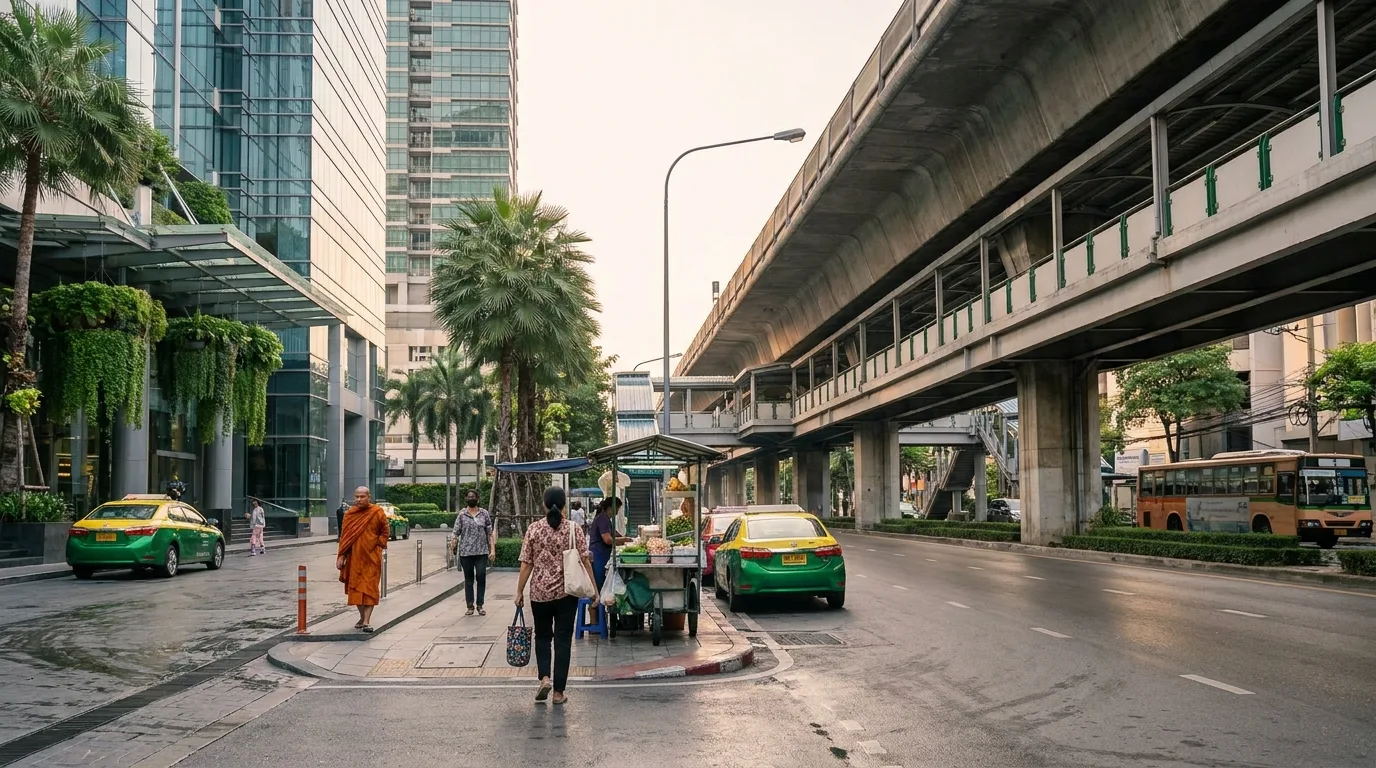
The most useful transport question is not simply whether a station is nearby. Check whether BTS, MRT, river boats and taxis provides a direct or low-friction route to the places on your actual itinerary. Travelling with children, a stroller or large luggage changes the value of lifts, step-free access, taxi drop-off space and a short final walk.
Build the trip around neighbourhood-based days
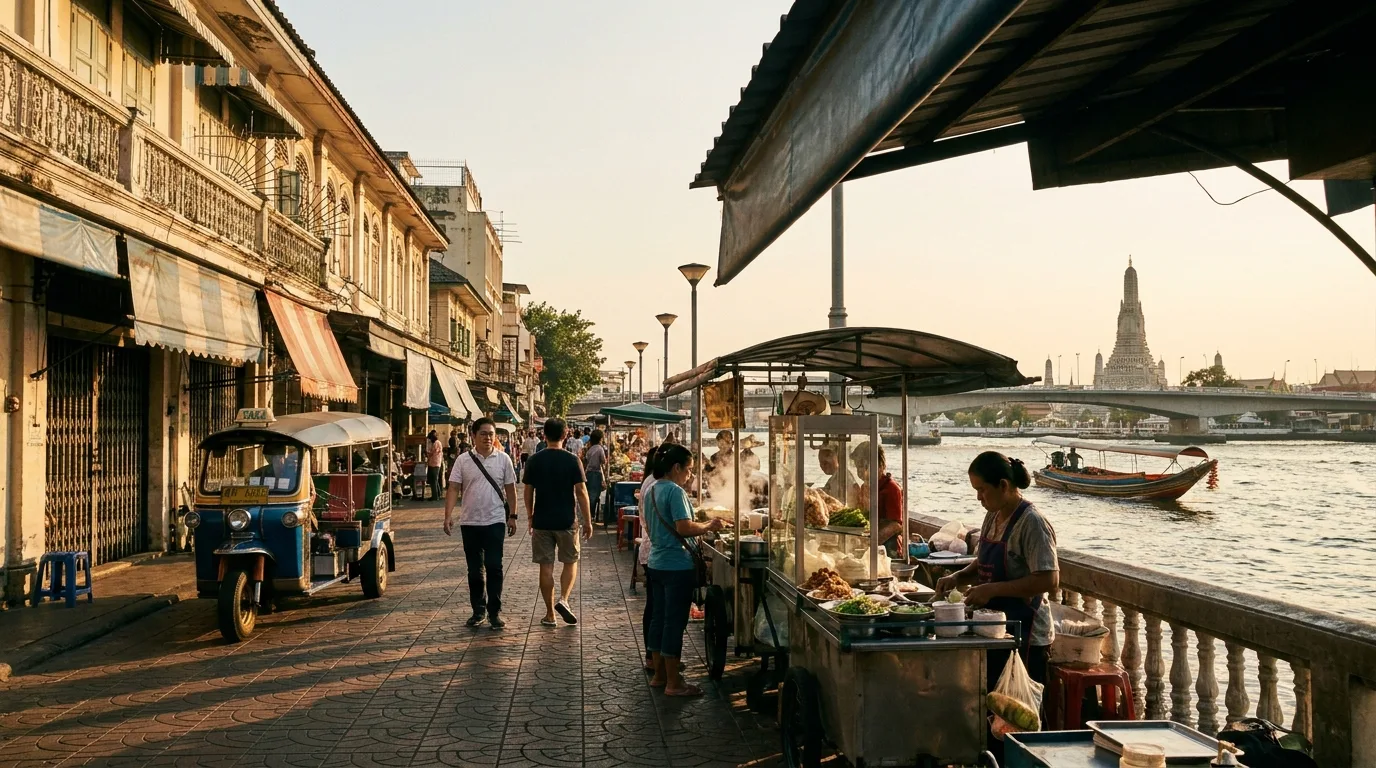
Group Wat Pho and the Grand Palace district on one day and the Chao Phraya River on another. Reserve a separate block for major food markets, then keep green spaces and canals flexible for weather, energy levels and timed reservations. This structure reduces backtracking and makes restaurant, attraction and transfer bookings easier to evaluate.
Morning strategy
Use early hours for the most popular landmark or neighbourhood walk. Confirm timed-entry rules on the official venue website and allow a buffer for security, queues and unfamiliar transfers. A realistic first booking is more valuable than an overfilled schedule.
Afternoon strategy
Pair one major attraction with a nearby park, market or waterfront route. Families should protect a quiet break rather than planning continuous ticketed activities. Travellers with mobility constraints should inspect gradients, station exits and the surface of walking routes.
Evening strategy
Plan the return journey before committing to dinner or a late activity. The safest practical choice is often a lively, well-connected route with several transport alternatives, not the shortest distance shown on a map.
Booking checklist for Bangkok
- Map every priority to a neighbourhood day.
- Confirm the exact property-to-station walking route.
- Check cancellation terms, taxes and room configuration on the final booking screen.
- For Suvarnabhumi and Don Mueang, compare total door-to-door effort rather than headline journey time.
- Keep one flexible period for weather or transport disruption.
- Save confirmations offline and keep provider contact details available.
For a broader planning route, use the TheStayGlobe travel guides, compare bookable services through Plan Your Trip, and review the booking terms shown at checkout before following a commercial link.
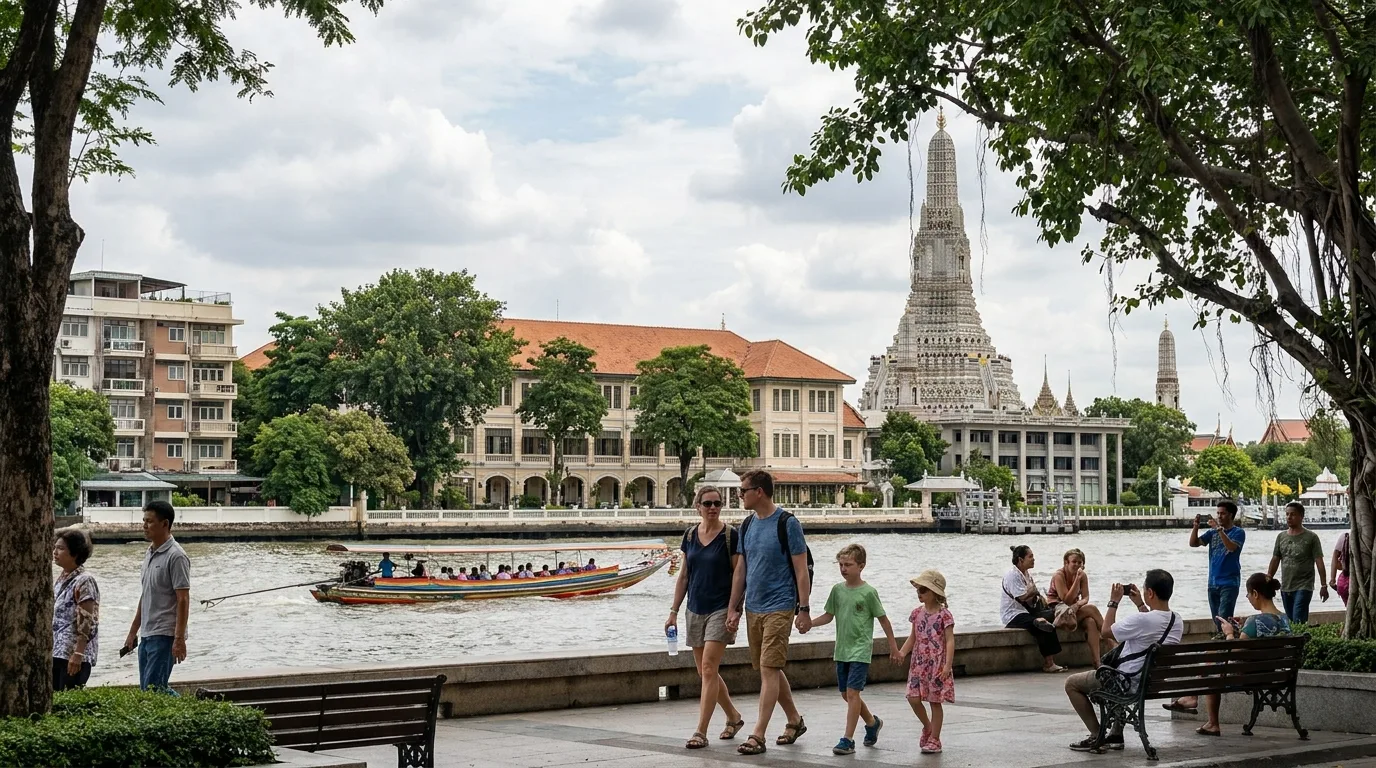
How to reserve the right parts of this Bangkok trip
Advance booking should protect the itinerary, not dominate it. Reserve capacity-limited attractions, timed admissions and high-priority guided experiences first. Keep neighbourhood walks, parks, markets and weather-sensitive viewpoints flexible. This produces a stronger balance between certainty and discovery.
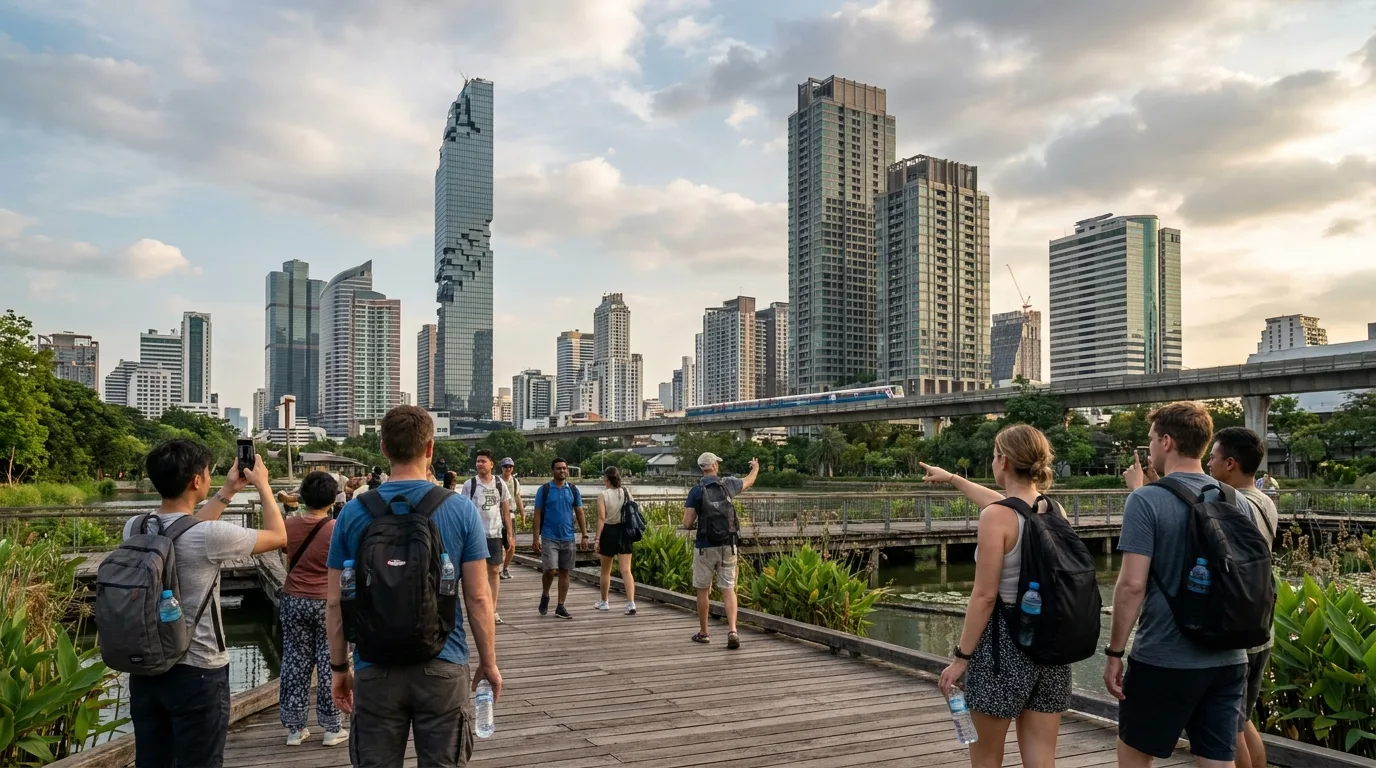
Evaluate a pass or tour by route fit
Count only the inclusions you would genuinely use, then place them on the geographic plan. A pass with many headline attractions can still be poor value if it causes repeated travel across Bangkok. For a tour, compare meeting point, finish point, group size, walking demands, language, accessibility and cancellation terms—not only the list of stops.
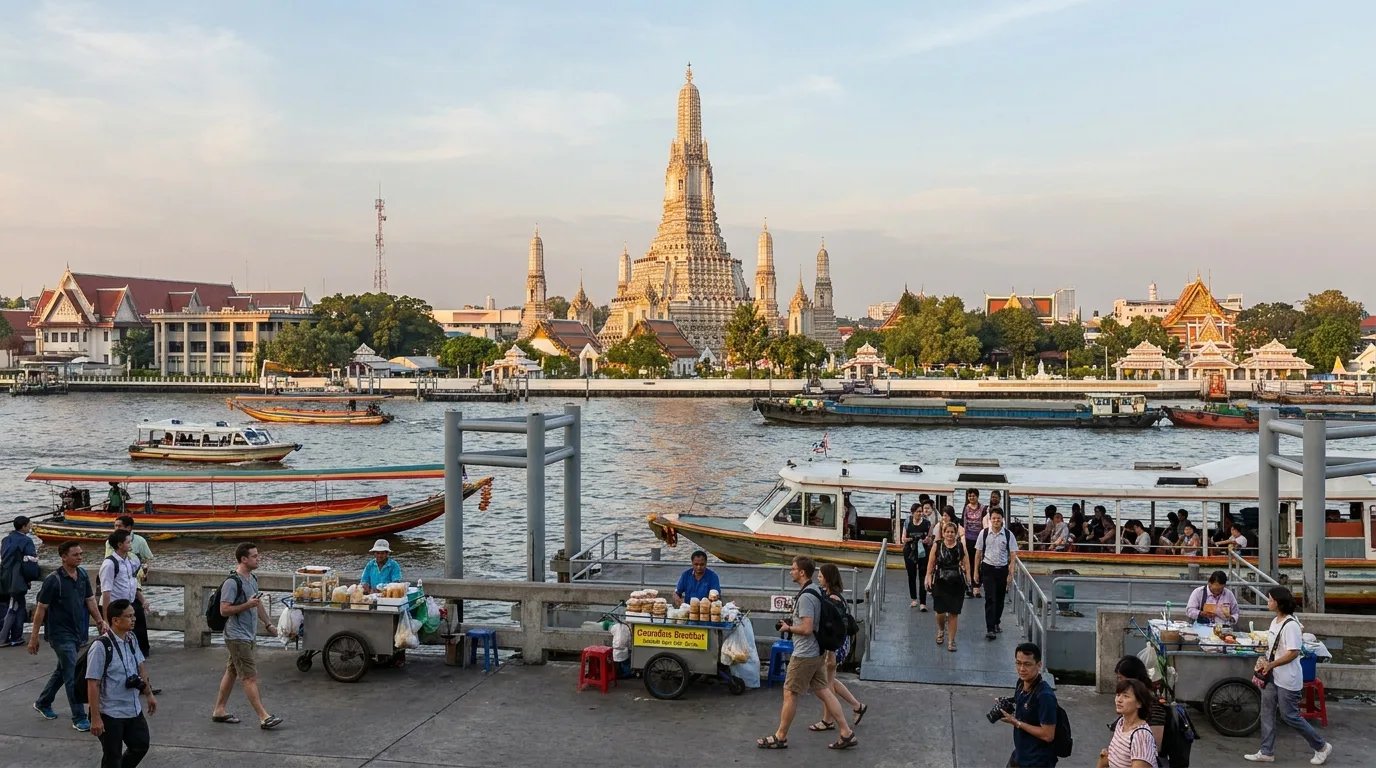
Protect the daily pace
The most sustainable rhythm for Bangkok is early temples, shaded midday breaks and evening food districts. Leave transition time after security-controlled attractions and avoid placing two non-refundable reservations too close together. Families and first-time visitors should preserve a meal break and one easy activity each day.
Commercial-link checklist
- Open the exact product page, not a provider homepage.
- Match the date, variant, language and meeting point.
- Read what is excluded as carefully as what is included.
- Confirm mobile-voucher and cancellation rules.
- Save the provider confirmation and emergency contact offline.
TheStayGlobe compares accommodation options independently. Hotel booking links open the relevant Nuitee-powered search or property page; confirm the final room, dates, price, taxes and cancellation terms before payment.
A day-by-day geographic plan for Bangkok
Day 1: Sukhumvit
Build this day around Wat Pho and the Grand Palace district. Start with the place most affected by queues, heat or limited entry, then continue through the connected streets rather than adding a distant landmark. Choose lunch inside the same district and keep the afternoon adjustable. Before leaving the area, identify the simplest return route and decide whether the evening is better used for a waterfront walk, a neighbourhood meal or rest.
Day 2: the Riverside
Build this day around the Chao Phraya River. Start with the place most affected by queues, heat or limited entry, then continue through the connected streets rather than adding a distant landmark. Choose lunch inside the same district and keep the afternoon adjustable. Before leaving the area, identify the simplest return route and decide whether the evening is better used for a waterfront walk, a neighbourhood meal or rest.
Day 3: Silom and Sathorn
Build this day around major food markets. Start with the place most affected by queues, heat or limited entry, then continue through the connected streets rather than adding a distant landmark. Choose lunch inside the same district and keep the afternoon adjustable. Before leaving the area, identify the simplest return route and decide whether the evening is better used for a waterfront walk, a neighbourhood meal or rest.
Day 4: Old Bangkok
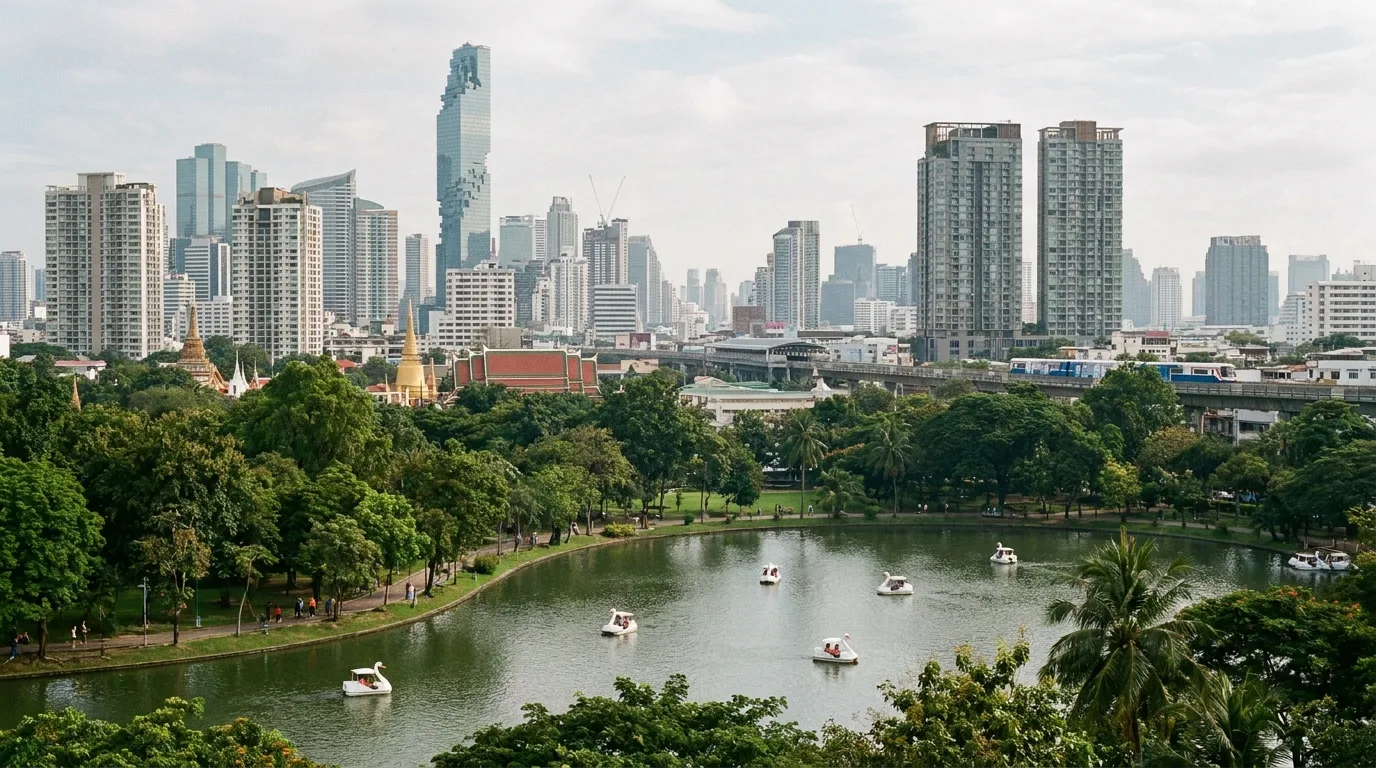
Build this day around green spaces and canals. Start with the place most affected by queues, heat or limited entry, then continue through the connected streets rather than adding a distant landmark. Choose lunch inside the same district and keep the afternoon adjustable. Before leaving the area, identify the simplest return route and decide whether the evening is better used for a waterfront walk, a neighbourhood meal or rest.
Build flexibility around fixed reservations
Place the hardest-to-change reservation at the centre of the day, then add flexible stops before and after it. In Bangkok, this means keeping nearby public spaces, food streets or waterfront routes available as substitutes. Do not book a chain of timed products that depends on every queue and transfer running perfectly.
Use the booking confirmation as an operational document. Verify the redemption method, required identification, arrival window and whether transport is included. If the product finishes in a different district, plan the onward route before payment.
How TheStayGlobe evaluates this decision
We assess Bangkok options by matching location to the stated travel purpose, then testing the practical route between arrival point, accommodation area and daily priorities. We separate stable geographic guidance from details that can change, such as inventory, operating conditions and commercial terms. Recommendations favour fewer avoidable transfers, transparent trade-offs and choices that remain useful for travellers with different budgets. Final availability, accessibility, price and provider conditions are always checked on the live official or booking page.
When to reconsider your first choice
Reconsider the initial plan if the accommodation or meeting point creates two or more difficult journeys on consecutive days. In Bangkok, a lower room price can be cancelled out by repeated transfers, rideshare use or lost sightseeing time. The better-value option is the one that fits the real route after arrival, not the one with the most attractive headline discount.
Accessibility, families and realistic energy
Map tools do not fully communicate stairs, gradients, station exits, crowds or the effort of returning after a long day. Travellers with children, reduced mobility or heavy bags should contact the relevant property or operator with precise questions. Keep written answers, avoid assumptions based on a single accessibility icon and retain a practical alternative.
Final planning checklist
- Confirm the exact address or meeting point.
- Trace the complete route in both directions.
- Review recent recurring feedback, not one isolated comment.
- Check official changes close to the travel date.
- Read the final cancellation, tax, baggage and accessibility terms.
- Save confirmations and essential maps offline.
Related Bangkok travel guides
Continue planning your Bangkok trip
Move from research to a practical plan with these TheStayGlobe resources:
- Compare more destination guides
- Build the next steps in Plan Your Trip
- Review accommodation comparison guidance
- booking terms shown at checkout
Final 4 day Bangkok itinerary review
Before booking, use this final 4 day Bangkok itinerary check: confirm the location against your daily route, review cancellation terms, verify the live total price and keep enough transfer time for luggage, queues and local transport changes.
Frequently asked questions about 4 day Bangkok itinerary
Which option is best for a first visit?
Sukhumvit is the simplest starting point when the first two days focus on major sights, but the Riverside can be the better choice for travellers who prioritise atmosphere and dining.
How close should a stay be to public transport?
A short, simple walk is more useful than an optimistic distance measurement. Check crossings, stairs, gradients, station exits and the late-evening route.
When should transfers or attractions be booked?
Book only the time-sensitive parts after flights and accommodation are stable. Keep flexible activities uncommitted until the daily route and weather outlook are clearer.
Editorial note: This guide is independent and designed for trip planning. Transport, attraction and accommodation conditions can change; confirm operational details and final terms with the relevant official or booking provider before purchase.
### Excerpt
Use this practical 4 day Bangkok itinerary guide to compare areas, transport, booking trade-offs and a realistic trip plan for Bangkok.
LIVE HOTEL AVAILABILITY
Ready to choose your stay?
Continue from this guide to live Bangkok hotel availability, current room conditions and secure checkout.
Hotel availability, prices, booking conditions and payment are provided through TheStayGlobe’s Nuitee-powered booking service.